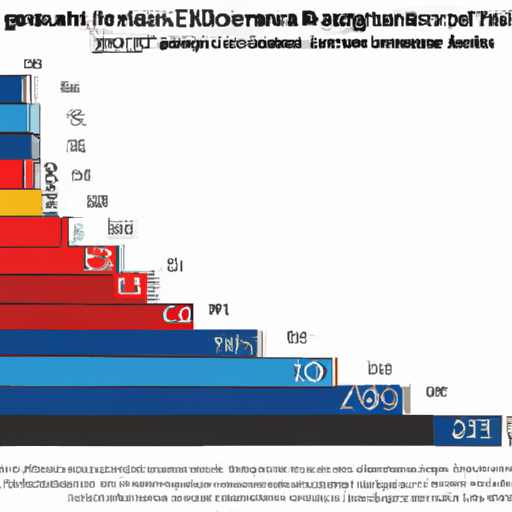
Student Loan Debt Disparities: Exploring Race-Based Statistics & Solutions

August 29, 2023
Student Loan Debt By Race Statistics
Key Takeaways
- Communities of color, particularly Black borrowers, have higher amounts of student loan debt compared to white borrowers.
- Factors contributing to these differences include historical wealth disparities, lower income levels, and limited access to higher education resources.
- Black borrowers also face greater challenges in repaying their student loans, with higher default rates and longer repayment periods.
- Policies such as income-driven repayment plans and loan forgiveness programs can help alleviate the burden of student loan debt for all borrowers.
Understanding the Disparities
Communities of color, specifically Black borrowers, carry more student loan debt than their white counterparts. This can be attributed to various factors:
- Historical wealth disparities: Structural inequalities, such as discriminatory housing and employment practices, have limited the ability of Black families to accumulate wealth, making it harder to afford higher education without loans.
- Lower income levels: Many communities of color face lower average income levels, making it difficult to save for college and resulting in a greater reliance on student loans.
- Limited access to resources: Black students often have less access to resources such as college counseling, scholarships, and other financial aid options, leading to a higher need for loans.
Challenges in Repayment
Black borrowers not only accumulate more debt, but also encounter greater difficulties in repaying their student loans:
- Higher default rates: Black borrowers are more likely to default on their student loans due to factors such as job market discrimination and financial hardship.
- Extended repayment periods: Limited financial resources may lead to longer repayment periods, resulting in higher overall interest and delayed long-term financial goals.
Addressing the Debt Burden
To alleviate the burden of student loan debt, there are several policy solutions that can help educate and support all borrowers:
- Income-driven repayment plans: These plans base monthly loan payments on the borrower’s income, making it more manageable for those with lower incomes.
- Loan forgiveness programs: Programs such as Public Service Loan Forgiveness (PSLF) provide opportunities for borrowers to have their remaining loan balance forgiven after making a certain number of payments while working in public service.
- Increased financial literacy and counseling: Offering resources and guidance on managing student loan debt can empower borrowers to make informed decisions and develop strategies for repayment.
Hot Take for Physical Therapists
Aspiring physical therapists should be aware of the disparities in student loan debt based on race. It is important to advocate for equal access to higher education and seek resources that can help mitigate the financial burden. Exploring income-driven repayment plans and loan forgiveness programs can provide relief for physical therapists, especially those from communities of color, who may face additional challenges in repaying their student loans.
Reference Article https://www.studentloanplanner.com/student-loan-debt-by-race/